
Engineering
A Development Environment That Starts in the Browser
Why teams use browser-based development workspaces to reduce setup friction and give engineers a consistent place to work.
CredVault Editorial
Product & Engineering
Why teams use browser-based development workspaces to reduce setup friction and give engineers a consistent place to work.
CredVault and OpenAI are partnering to bring AI closer to the data and development work teams already do.

A milestone in Pragma’s reach, and a reminder that useful developer tools are built around real work.
Google Cloud grew 63%, AWS grew 28%, and Microsoft crossed $37B in annualized AI revenue. The hyperscalers are accelerating, not slowing down.

CredVault announces a strategic AI partnership with Anthropic, integrating Claude into the CredVault Intelligence Engine, Pragma IDE, and developer tools.
Anthropic launched Claude Mythos in May 2026, a new frontier model that raises the bar on reasoning, coding, and long-context understanding — and signals an escalating AI arms race.
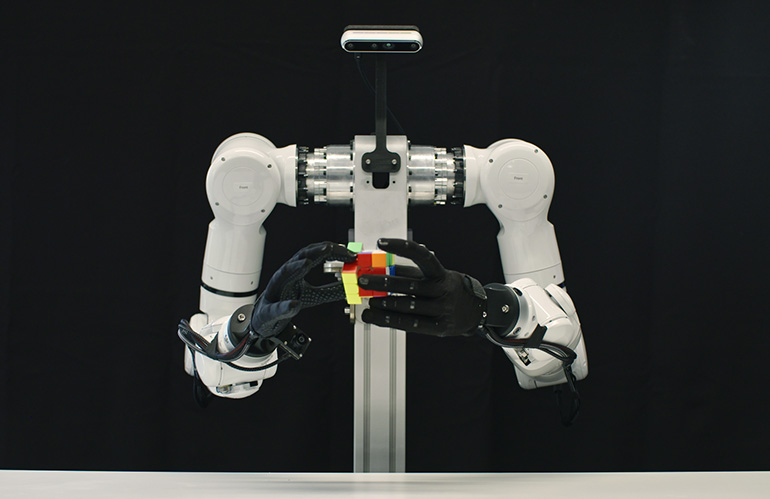
Genesis AI launched a new robotics foundation model, a proprietary robotic hand, and a simulation platform designed to teach robots complex physical tasks from human behavior.
Actian launched VectorAI DB, a vector database designed for on-premises, edge, and air-gapped environments — signaling that vector search is no longer just a cloud-native feature.
Google Cloud Next 2026 was dominated by agentic AI announcements, major database updates, and a $750 million fund to accelerate AI adoption across its partner ecosystem.

Engineering deep-dive into the technical challenges of connected vehicle data systems and architectural approaches for handling edge-to-cloud synchronization, standardized data models, and real-time processing at scale.
CredVault Q1 2026 results show consistent month-over-month growth, improved retention, and successful enterprise pilot expansions.

Every millisecond counts in AI inference. Discover how database latency directly impacts fraud detection, recommendations, and agentic AI systems at enterprise scale.
Google has just open-sourced massive datasets and LLMs natively trained on African languages, fundamentally shifting the landscape of global AI accessibility and bridging the digital divide.
Google has formally completed its massive acquisition of the cloud and AI security firm Wiz, integrating it into Google Cloud to build an AI-powered enterprise security platform.
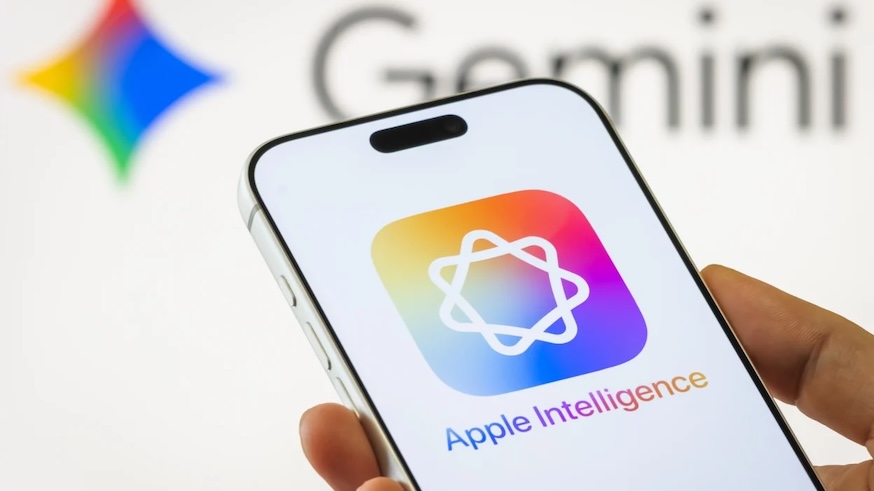
Apple officially rolled out Google Gemini AI integration into Siri, maintaining high user privacy via their new Private Cloud Compute standard.

As artificial intelligence reshapes application architectures, NoSQL databases are undergoing a radical transformation to handle high-dimensional vector data and real-time inference.

NVIDIA announced their next-generation Vera Rubin platform designed specifically to drastically slash the enormous compute costs of training massive AI models.

With tightening global privacy regulations and the rise of edge computing, understanding where your data lives physically is deciding the fate of modern tech startups.

Samsung has committed to integrating Gemini AI into 800 million household devices by the end of 2026, encompassing smartphones, smart TVs, and home appliances.
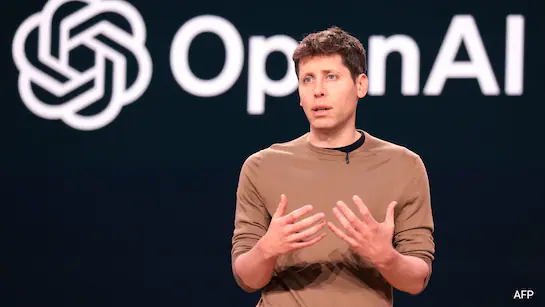
OpenAI CEO Sam Altman stated the industry is pivoting toward selling AI compute purely as a fundamental utility, akin to water or electricity.
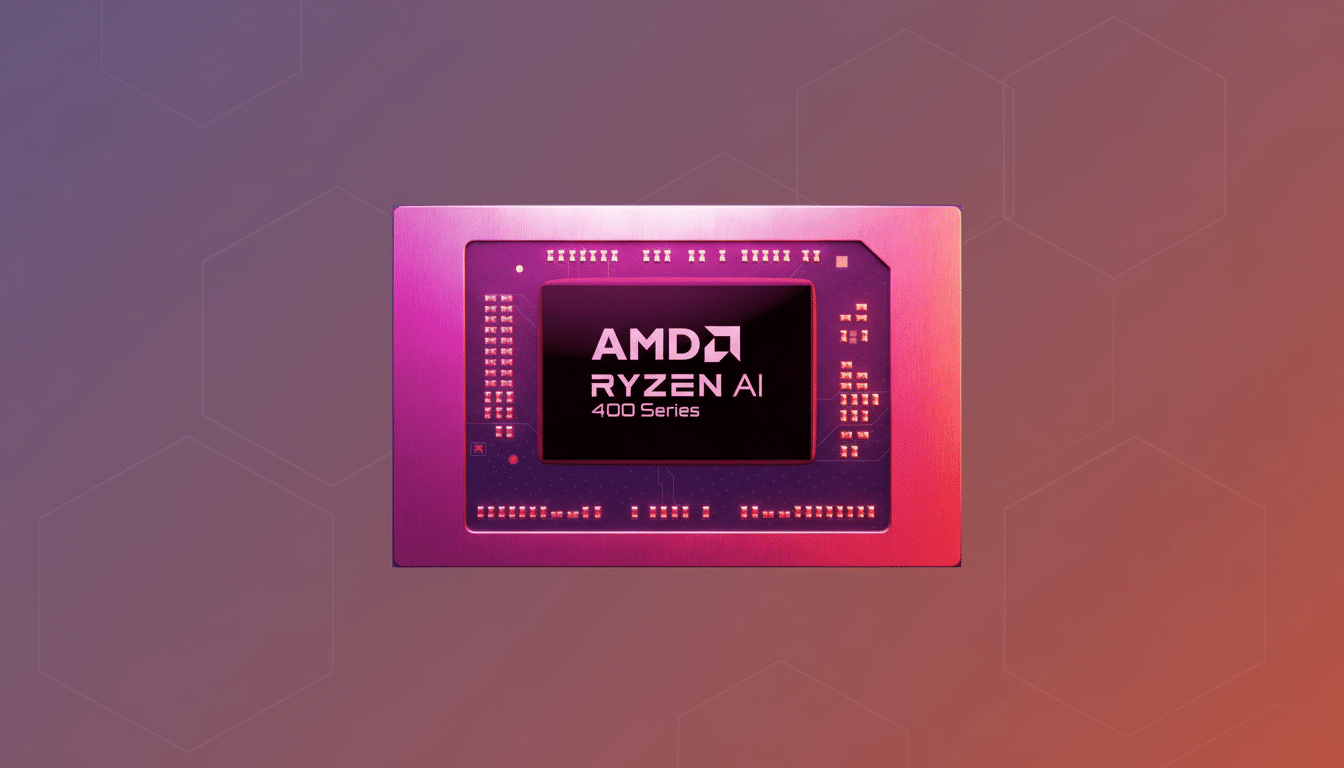
AMD launched new mobile processors delivering unprecedented on-device processing power for running local AI tasks smoothly without the cloud.

The era of the 'one-size-fits-all' database is over. Engineering teams are increasingly adopting purpose-built engines tailored to specific workloads.

Microsoft jumped deeper into medical tech with "Copilot Health," an AI agent exclusively designed to synthesize chaotic electronic medical records.
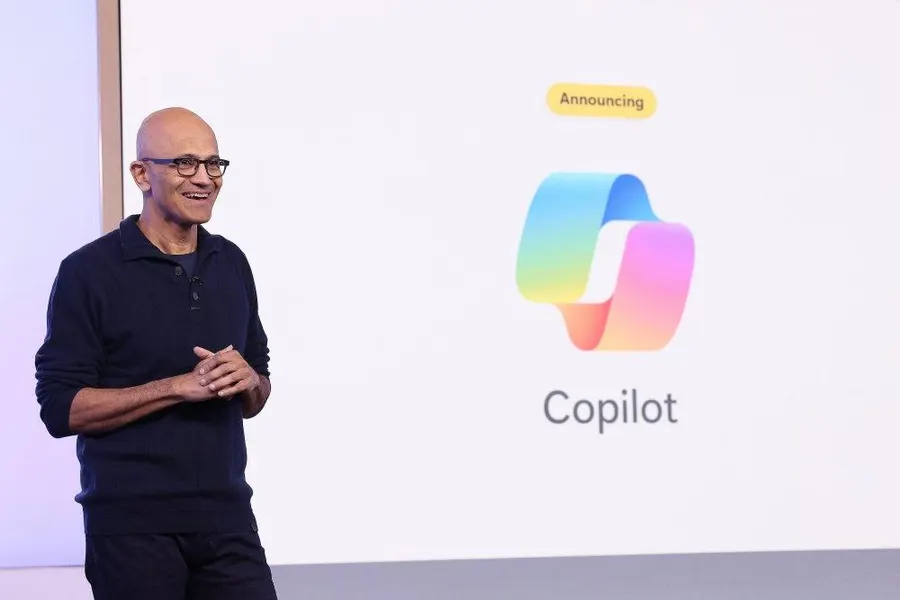
Microsoft introduces a new enterprise agent designed to natively manage, analyze, and manipulate large files autonomously across the corporate network.

Amazon launched a premium, highly conversational Alexa+ personality specifically trained to understand deep context and prolonged conversations.

The dating app Bumble began live testing an AI assistant aimed at actually conversing with matches to help secure digital and physical dates.
AI data center firm Nscale secured $2B in Series C funding to drastically accelerate global AI compute facilities to meet surging generation demand.

Purpose-built vector databases like Pinecone, Milvus, and Weaviate officially moved from niche tools to mandatory enterprise infrastructure for scaling generative AI.
Microsoft announced that its flagship SQL Server will now natively support vector data types and feature deep AI-assisted query optimization.

Traditional SQL databases experienced massive adoption spikes thanks to extensions like pgvector bridging the gap between relational data and LLM requirements.

Edge computing moved out of pilot programs as companies build micro data centers locally to process real-time AI inference at the source.

Unprecedented heat from AI chips is forcing a global data center shift away from air cooling toward advanced Immersion and Direct-to-Chip Liquid Cooling.

AT&T unveiled a colossal half-decade roadmap to pour $250 billion into upgrading US connectivity infrastructure for the explosive bandwidth needs of interconnected AI agents.
Amazon Web Services forged a major partnership with Cerebras to deliver industry-leading speed for complex generative AI inference in the cloud.

Huawei unveiled its next-generation hybrid cloud platform specifically emphasizing cloud infrastructure as the absolute prerequisite for the AI era.

The Australian tech group secured a $200M government grant strictly to build national "Sovereign Cloud" and AI-cybersecurity defenses against foreign threats.

Global law enforcement completely dismantled the Tycoon 2FA platform, a massive "phishing-as-a-service" empire that compromised nearly 100,000 organizations.

LexisNexis Legal & Professional suffered a high-profile data breach where malicious actors exploited an unpatched React frontend to siphon data directly from their AWS environment.

Closing out an era of massive creative tech monopoly, Shantanu Narayen announced he will step down as Adobe CEO after an astonishing 18-year tenure.
Nvidia released a full-stack robotics ecosystem at CES 2026 — foundation models, simulation tools, and edge hardware — signaling its ambition to become the default platform for physical AI.
CredVault reflects on an extraordinary first year: 10,000 users, 2 enterprise customers, and a mission to transform credential management globally.
CredVault announces a strategic partnership with Amazon Web Services to provide seamless credential management across AWS infrastructure globally.
CredVault announces a strategic partnership with MongoDB to provide seamless credential management for MongoDB Atlas deployments worldwide.
We are thrilled to announce a strategic partnership with Microsoft to bring native CredVault integration to Azure. Enterprises can now manage credentials seamlessly across Azure infrastructure.
Today marks the official founding of CredVault. We are solving the most critical infrastructure challenge facing enterprises: secure, scalable, and intelligent credential management at the edge.